When Should I Walk Away From a House After the Inspection?


Walk away when the problem is bigger than your budget, your comfort level, or what the seller will agree to fix, and you still have the right to cancel. Most inspection reports are long and scary. That's normal. A long list isn't a reason to leave. A few specific findings might be.
Step one: sort the report
Ask your inspector to help you sort findings into three piles:
- Safety issues. Electrical hazards, gas leaks, carbon monoxide, active leaks.
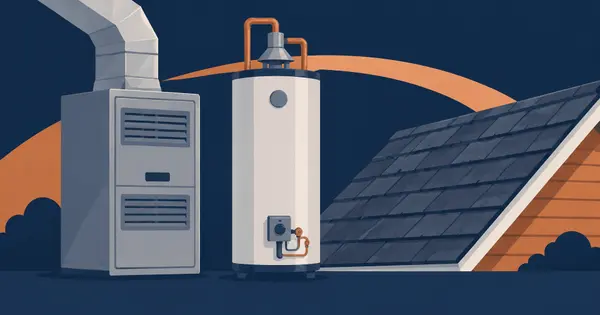
- Big-ticket items. Roof, foundation or structure, water intrusion, sewer line, HVAC, septic or well.
- Maintenance and small stuff. Loose handrails, caulk, a running toilet, worn weatherstripping.
Pile three should almost never end a deal. Piles one and two are where the decision gets made.
Signs it might be time to walk
- Structural movement that an engineer says needs major work.
- Repeated or ongoing water problems where the source isn't clear or fixed.
- Costs you can't cover. If the likely repairs eat into your reserves, that's a real risk.
- Seller won't negotiate on something significant, and you don't want to take it on.
- Work done without permits that you're not comfortable inheriting. See my post on permits and disclosure.
- Your gut keeps saying no after you've looked at the facts.
Signs it might be worth staying
- The problems have a clear fix and a quote or range.
- The seller agrees to repairs, a credit, or a price change.
- The house is otherwise a strong match, and the numbers still work.
Get real numbers before you decide
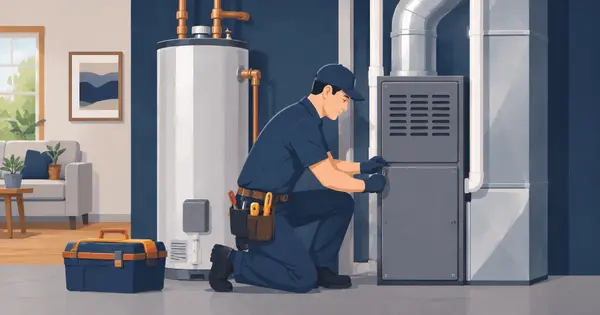
Inspectors point out problems but typically don't price them. Contractors, engineers and specialists can. For a sewer line, a sewer scope shows what's under the ground. For anything structural, a licensed engineer is worth the fee. I'm a REALTOR, not a contractor, so I'll help you line up the right pros but I won't estimate repairs myself.
Know your deadline
Your right to walk away usually has a clock on it. In Maryland that comes from your contract and its inspection period. If you miss it, leaving could cost you your earnest money. Ask your agent to put the exact date on your calendar the day you go under contract.
Your options, in order
- Accept the home and the report as is.
- Ask for repairs or a credit, within the contract's process.
- Ask for a price reduction that reflects the cost.
- Terminate, if your contract allows it.
A simple gut check
Imagine the repair cost showing up in your first year. Could you pay it without stress? If the answer is yes, it's likely a negotiation. If the answer is no, it might be a walk.
FAQ
Is it normal for an inspection to find a lot of problems?
Yes. Almost every home has a long report. Focus on safety, structure, water and big systems.
Can I walk away if the seller refuses repairs?
If your contract gives you the right to terminate within the inspection period, generally yes. Check the exact wording.
Should I walk away over mold?
It depends on the source and the extent. A specialist can tell you what it would take to fix it. See my post on mold, septic and flooding.
Will I lose my deposit if I walk away?
Typically not if you cancel properly within a valid contingency. Missing a deadline can change that.
What if I love the house?
Love is fine. Just make sure the numbers still work with the repairs included.
Next step
Got an inspection report and need a second opinion on what to do next? Check out my inspection resources or contact me. You can also book a free 15-minute call at calendly.com/michaelwaderealtor/15min. I'm here.
Categories
Recent Posts