Is a Home Warranty Worth It When Buying a House?

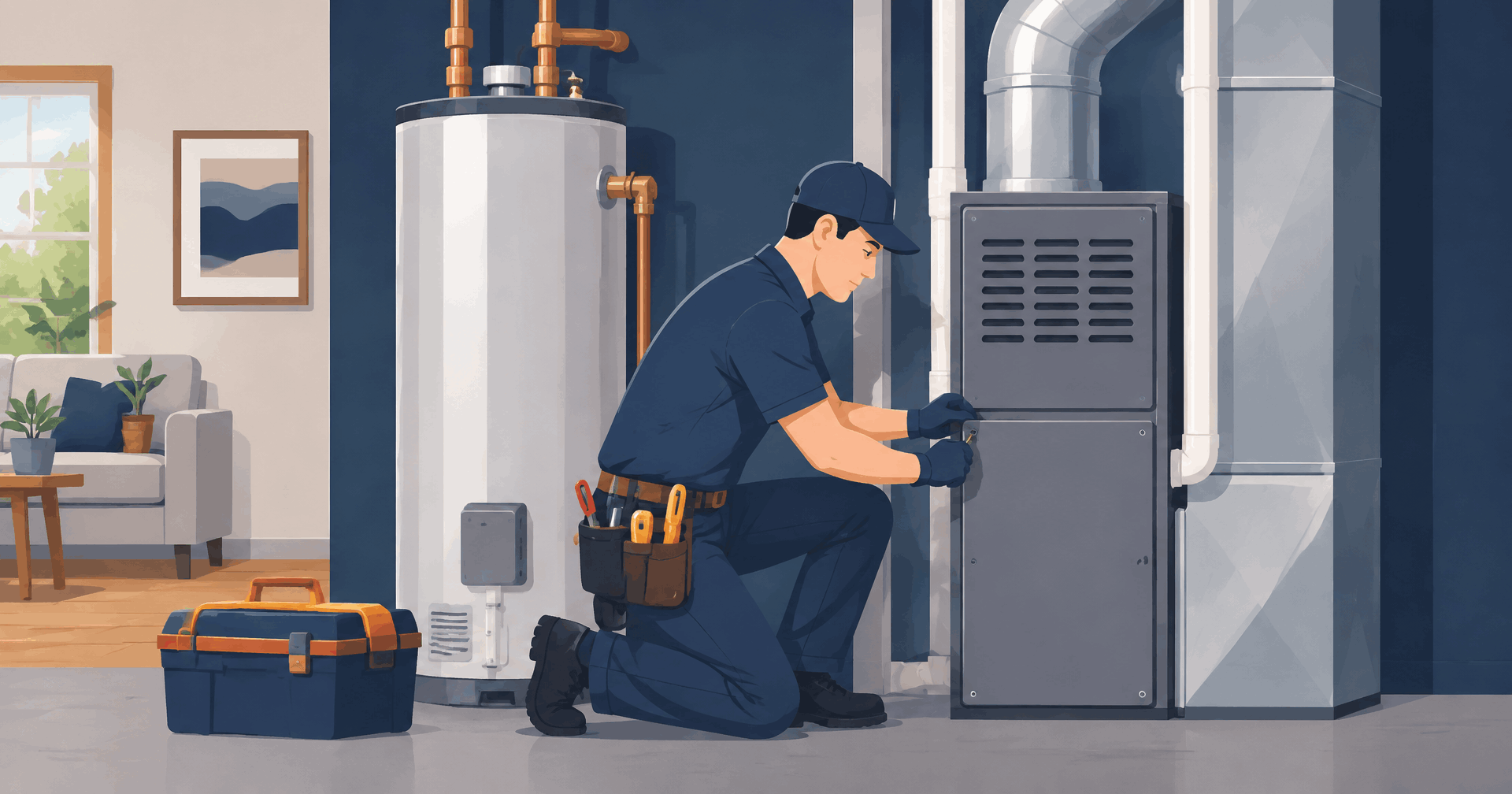
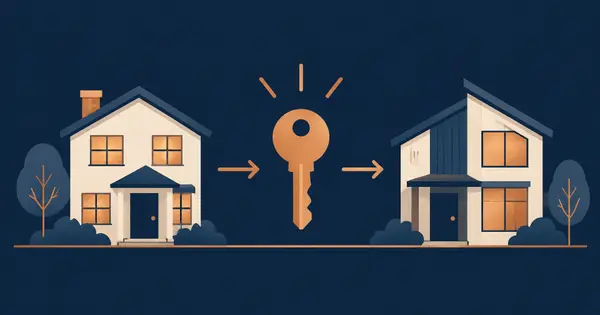
Sometimes. A home warranty can be worth it if the home has older systems or appliances, a surprise repair bill would really hurt, and especially if the seller is paying for it. It's often not worth it if everything is new or you have a repair fund. The fine print decides most of it.
What a home warranty is
The FTC points out that home warranties are really service contracts. They cost extra, last for a set period (often a year), and typically cover repair or replacement of things like appliances, plumbing, electrical, and heating or air conditioning. They aren't homeowners insurance, and they're different from a builder warranty on new construction.
When it may make sense
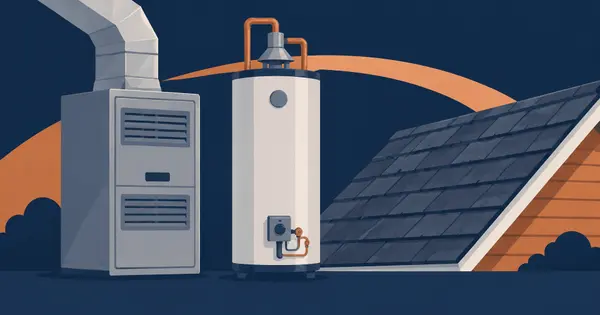
- Older systems and appliances. If the furnace or water heater is near the end of its life, coverage can take some of the sting out.
- Thin cash after closing. Down payment and closing costs can leave little room for a repair. A plan turns a big unknown into a known yearly cost plus a fee per service call. Build a real reserve too. See my post on how much cash to keep after your down payment.
- The seller pays. If it's offered as part of a negotiation, the math is easy. Just read what's covered.
- You don't want to find contractors. The company sends someone.
When it may not be
- Everything is new. Manufacturer warranties may already cover it.
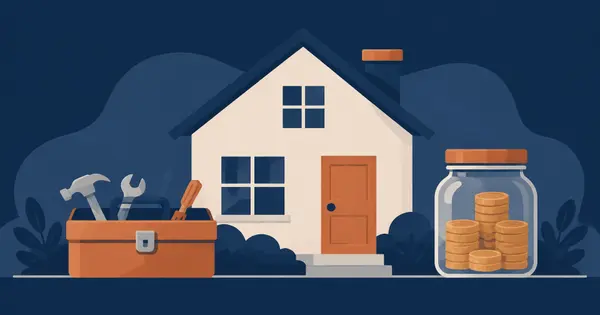
- You'd rather self-insure. The FTC notes that setting money aside in savings can be a better way to cover future repairs.
- The plan covers things you don't own. Pool or extra appliance coverage can add cost for no benefit.
The fine print to read
- Dollar caps. Is there a limit per item or per year? A low cap on an air conditioner or furnace can leave you paying the difference.
- Service fee. You usually pay each time a technician comes out.
- Exclusions. Pre-existing conditions, improper maintenance, and code upgrades are common reasons for denial.
- Waiting period. Some plans don't start right away.
- Who picks the contractor and how fast they respond.
- Renewal and cancellation terms. Look for automatic renewal and cancellation fees.
- Company reputation. Search the company name plus "reviews" and "complaints" before you commit.
A quick way to compare
Add the plan price to the service fee times the number of visits you'd realistically expect in a year. If that total is more than the repairs you'd likely face, it costs you money. If one probable failure, like a 15-year-old furnace, would cost more than that total and is clearly covered, it could pay off.
What a home warranty does not replace
It doesn't replace a home inspection. Your inspector tells you the condition of the home before you buy, and a warranty usually won't cover problems that existed before the plan started. Check out my inspections page and my post on what home inspectors don't look for.
FAQ
Is a home warranty the same as homeowners insurance?
No. Insurance covers damage like fire or storms. A home warranty covers wear and tear on certain systems and appliances.
Can I ask the seller to pay for one?
Yes, you can ask. Whether they agree is part of the negotiation.
Does a new construction home need one?
New homes usually come with a builder warranty. Read what it covers and for how long before adding anything.
Will a home warranty cover a pre-existing problem?
Often not. Read the exclusions.
Can I cancel a plan?
Often, but check for fees.
Next step
Buying soon? Look at my buyer resources or get in touch. Want to talk through costs? Book a free 15-minute call at calendly.com/michaelwaderealtor/15min. No pressure.
Sources: FTC Consumer Advice, "So what's the deal with home warranties?" (2023) and "Warranties for New Homes" (2021); Beacon Journal (Aug 2026). Plans vary by company.
Categories
Recent Posts