Is a House With an Old Furnace, Roof or Water Heater a Dealbreaker?

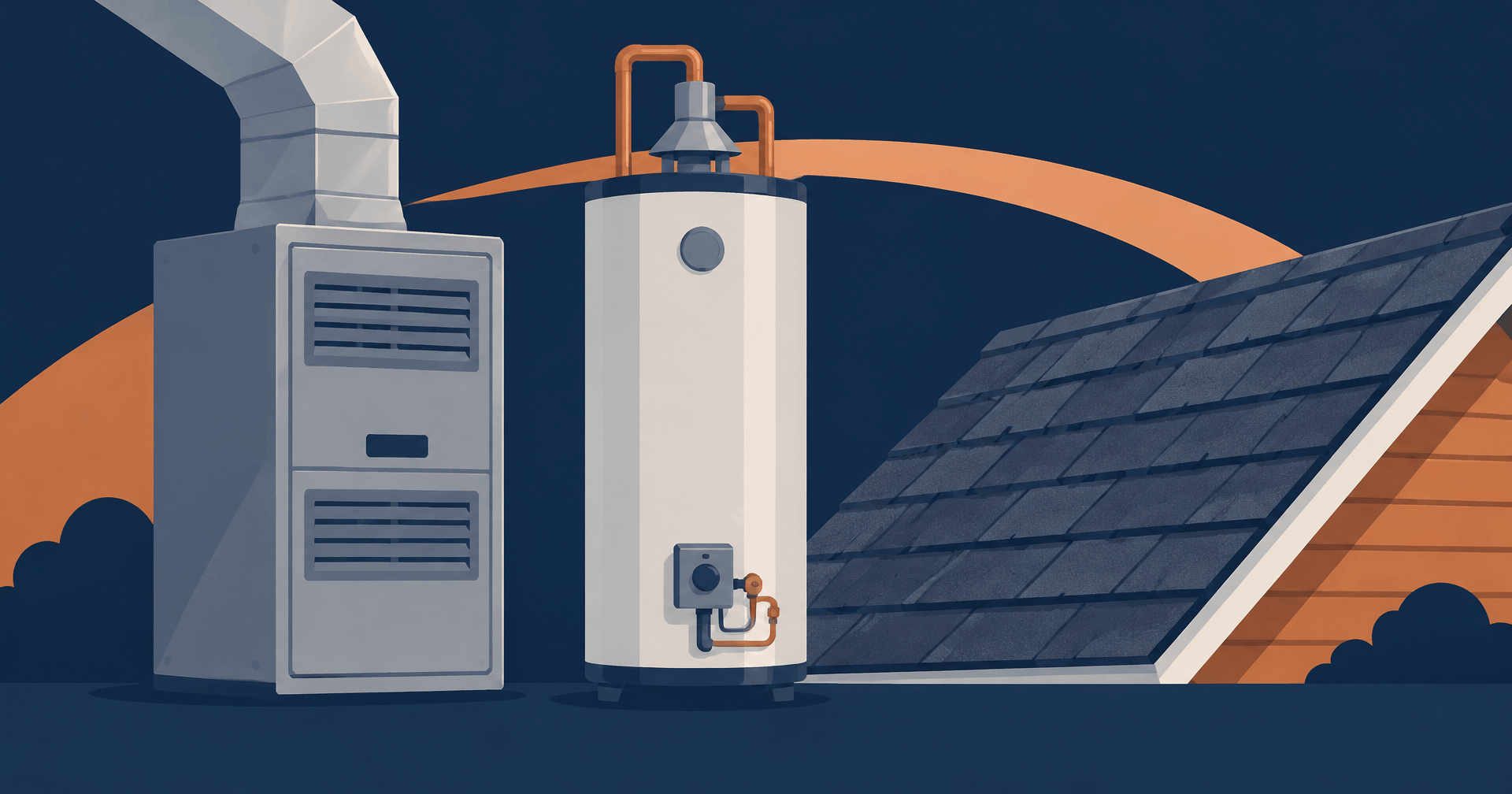
Usually, no. An old but working furnace, roof or water heater is not automatically a reason to walk away. It's a cost you can estimate, plan for and often negotiate. It becomes a dealbreaker when the system has already failed, when several big items are due at once, or when the seller won't move on price and you can't absorb the cost.
Old is not the same as broken
Age tells you how much life is probably left. It doesn't tell you the system is failing. Commonly cited lifespans are about 8 to 12 years for a tank water heater, 15 to 20 for a furnace, 10 to 15 for a central air conditioner and 20 to 30 for an asphalt shingle roof. Plenty of systems run past those numbers, and some fail before them. Maintenance, climate and installation quality all matter.
Three questions to ask
- Is it working today, and is it safe? A furnace that heats but has a cracked heat exchanger is a safety issue. A water heater that's leaking is already done. Ask your inspector what they actually saw.
- How many systems are old at once? One aging item is a line in your budget. A roof, furnace, AC and water heater all near the end can add up to a five-figure bill in a short window.
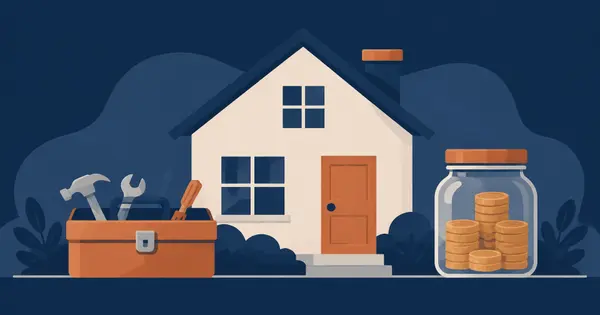
- What would replacement cost on this house? Get real quotes from licensed contractors during your inspection period. Typical ranges published by home-service and insurance sources run around $900 to $2,500 for a tank water heater, several thousand for a furnace or AC, and roughly $9,000 to $20,000 or more for a roof, but local prices vary.
What I'd do during the inspection period
- Ask the inspector for the approximate age of each major system and any signs of trouble.
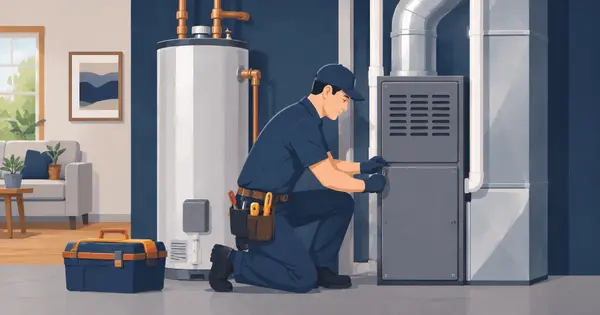
- If something looks near the end of its life, call a licensed HVAC, roofing or plumbing contractor for a specific opinion and a written quote.
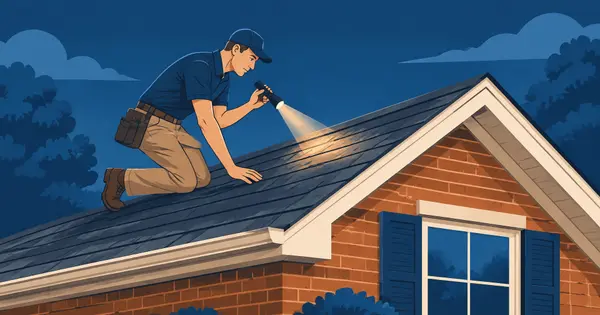
- For roofs, ask the insurance company whether the roof's age affects coverage or price. Some insurers ask for a roof inspection on older roofs.
- Ask the seller for maintenance records and any warranty paperwork.
How to negotiate it
You generally have three options, and none is guaranteed to work:
- Ask for a repair or replacement by the seller before closing.
- Ask for a credit at closing so you can choose your own contractor.
- Ask for a lower price that reflects the upcoming cost.
Many inspectors and agents will tell you that sellers are more receptive to safety issues and active failures than to "it's old but working." In a competitive market you may have less leverage, so decide ahead of time what you'd accept. I walk buyers through this on every offer, and I'd rather you know your number before you're emotional about a house.
When I'd think twice
- The system has already failed and the seller won't address it.
- The report shows multiple big-ticket items near the end of life and your cash reserves are thin.
- The roof has active leaks or water damage underneath.
- The cost to fix plus your down payment and closing costs leaves you without a cushion.
If any of those sound like your situation, it's fine to walk away. That's what the inspection period is for. I wrote a related post on when to walk away after an inspection. You can also book a 15-minute call and we can look at your report together, or learn more about my buyer process.
FAQ
Can I ask a seller to replace an old furnace?
You can ask. Whether they agree depends on the contract, the market and whether the furnace is failing or just old.
Does a home warranty cover old systems?
Sometimes, with limits. Read the contract for exclusions and pre-existing conditions before you rely on it.
Will an old roof affect my insurance?
It can. Some insurers charge more or require an inspection for older roofs, so ask for a quote before you commit.
Should I get a separate inspection for the HVAC or roof?
If the general inspector flags a concern, a specialist's opinion is often worth the cost.
Categories
Recent Posts