What Should I Know Before Buying a Condo in Maryland?

Before you buy a condo in Maryland, look at the building as closely as the unit. With a condo, you own the inside of your unit and share ownership of the common areas, so the association's finances, rules, and fees shape your costs. Maryland law gives resale buyers a right to see key documents and a short window to cancel after you receive them.
Condo versus townhouse, in one paragraph
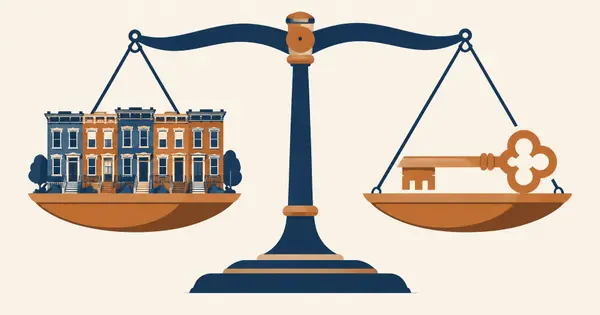
In general terms, condo owners own the inside of their unit and share the common areas with other owners. Townhouse owners usually own the whole unit, including the exterior and the land underneath, and common areas are typically owned by the homeowners' association. Either way, you'll likely pay dues, and either way the governing documents set the rules.
Your right to the resale documents
For most resale condos, Maryland Real Property Code Section 11-135 requires the seller to give you these items no later than 15 days before closing:
- The declaration, bylaws, and rules
- A certificate showing the monthly assessment, unpaid or special assessments, and other fees
- The current operating budget, plus a reserve study or a summary, or a statement that there's no reserve fund
- Any planned capital expenditures not already in the budget
- Pending lawsuits or unsatisfied judgments involving the association
- A summary of the association's insurance policies
- A notice about the owner's responsibility for the association's insurance deductible
You can rescind the contract in writing within 7 days after you receive all of the required information, and you get your deposit back. Once you close, that right ends. The rules differ somewhat for condos with fewer than 7 units and for new construction, which has its own public offering statement. Treat this as a general overview and have your agent or attorney confirm it for your contract.
What to look for in those documents
- Reserves. A thin reserve fund next to an aging roof, elevator, or parking structure may mean a special assessment is coming.
- Fee history. Ask how much the monthly fee has changed in recent years and what's driving it.
- What the fee covers. Some include water, trash, or heat. Some don't. Compare real monthly costs, not just the fee.
- Insurance and deductible. Ask what the master policy covers and what your own policy (an HO-6) needs to cover.
- Lawsuits and violations. Pending litigation or code issues can affect loans and your costs.
- Rental and pet rules. Caps on rentals or restrictions on pets can affect lender approval and your plans.
- Financing. Some loan programs have condo project requirements, so ask your lender early whether the building qualifies.
Don't skip these
Order a home inspection of the unit. Also ask what the association's inspector or engineer reports say about shared systems. Read the meeting minutes from the last year or two if you can get them. They often reveal problems before the budget does.
I'd rather you find a deal-breaker in the documents than after closing. I can help you request and review the paperwork. See my buyer resources, inspections page, or contact me. A quick call works too: calendly.com/michaelwaderealtor/15min. More guides are on the blog.
FAQ
Can I cancel a condo contract in Maryland?
For most resale condos, you may rescind within 7 days after receiving all required documents, per Section 11-135.
Are condo fees allowed to go up?
Yes. Dues can increase when expenses rise, and the governing documents set how.
Do condo owners need their own insurance?
Generally yes. Ask your insurer about an HO-6 policy and how it works with the association's master policy.
Who owns the land under a condo?
Condo owners share ownership of the common elements, including the land, with other owners.
Categories
Recent Posts