Is It Cheaper to Rent or Buy in DC Right Now?

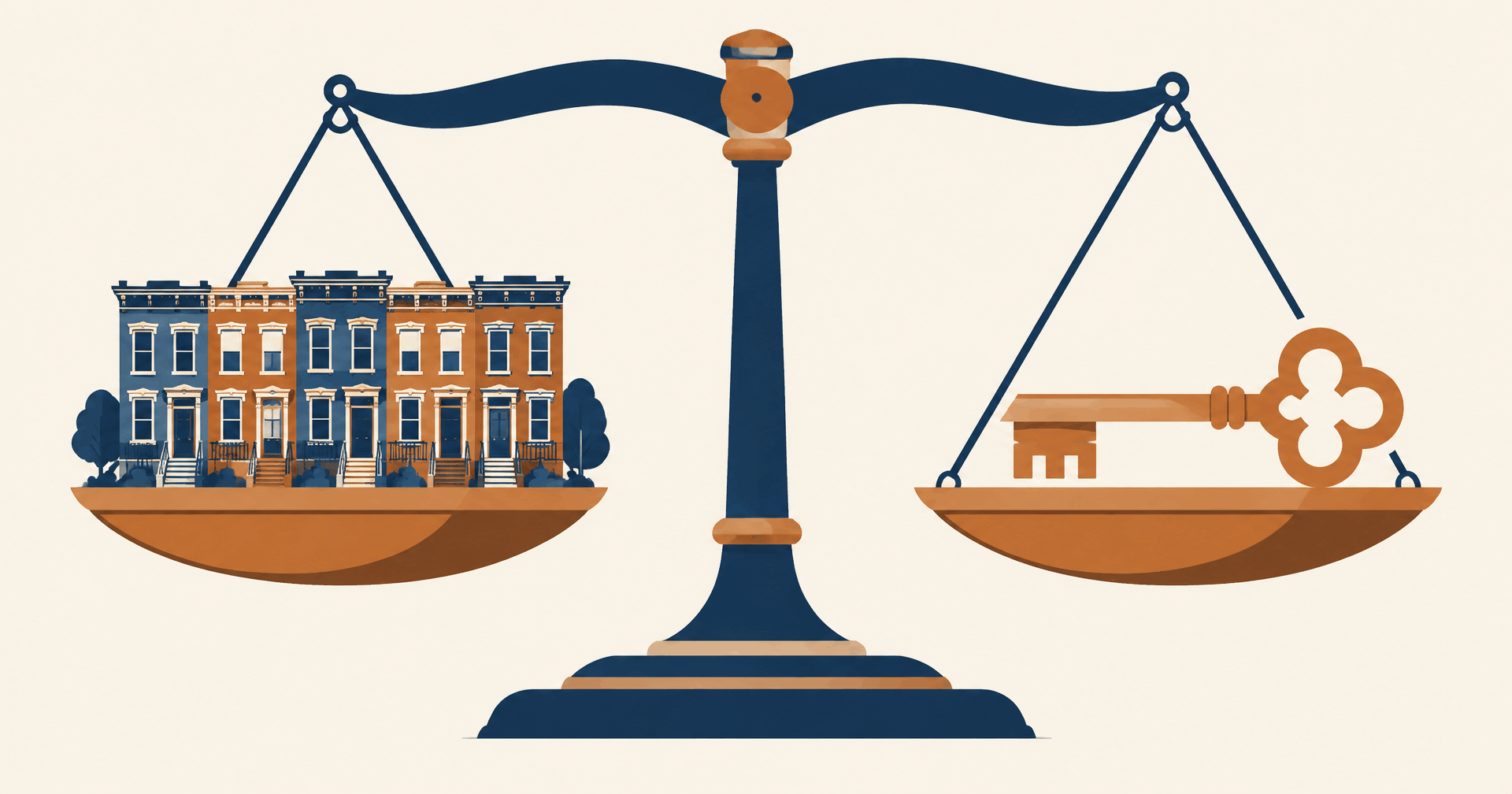
Based on published 2026 estimates, renting is usually cheaper month to month in DC. Owning usually costs more per month and takes years to pay off through equity. That doesn't mean buying is wrong. It means the answer depends on how long you'd stay, how much cash you'd put down, and what you'd pay for the home.
What the numbers look like
Different sources use different assumptions, so treat these as ballparks:
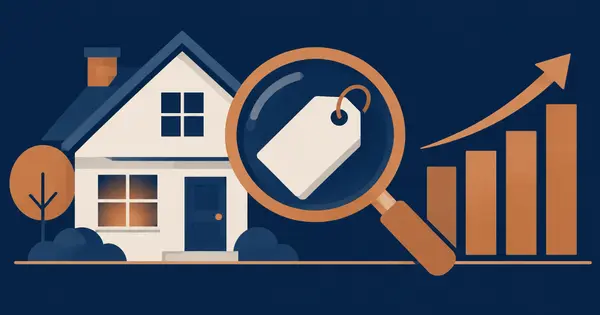
- Realtor.com (July 2026) put the median metro rent near $2,291 and estimated starter-home ownership at $2,972 a month, about $681 more than renting, using 10% down.
- Other calculators using full median-priced homes show much bigger gaps, often $1,400 to $2,600 a month more to own.
- Several of them estimate a break-even point of 10 or more years, depending on rates, appreciation and rent growth.
Those are modeled numbers, not a quote for you. A lender can give you real ones.
What a monthly comparison misses
- Cash up front. Down payment, closing costs and moving costs. In DC, transfer and recordation taxes add to the bill. See what taxes you pay when buying in DC and how much cash you need.
- Ongoing costs. Property tax, insurance, condo or HOA fees, and maintenance. A common rule of thumb is to budget 1% of the home's value per year for upkeep. My post on maintenance budgets goes deeper.
- Equity. Part of each payment builds equity, and prices may rise or fall.
- What your cash could do. If your down payment would otherwise be invested, that's a real tradeoff.
- Selling costs. If you move in a few years, selling costs can wipe out early equity. I covered that in should I buy if I might move in a few years.
Where buying can make sense
- You expect to stay several years.
- You have stable income and a cash cushion after closing.
- Your monthly payment fits your budget without stress.
- You'd rather lock in a payment than face rent changes. (Fixed payments don't include taxes, insurance or dues, which can change.)
Where renting can make more sense
- You're not sure where you'll be in 2 to 3 years.
- Buying would drain your savings.
- You want flexibility while rates and prices settle.
How to run your own comparison
- Get a real quote from a lender for your price range.
- Add taxes, insurance, dues and a repair budget.
- Estimate cash needed at closing.
- Compare to your current rent plus what you'd do with the savings.
- Decide how long you'd realistically stay.
What I'd do
Run it both ways before deciding. If you'd like me to walk through a DC example with you, see my buyers page, contact me, or book a 15-minute call. No pressure. Sometimes the best answer is "not yet."
FAQ
How long do I need to stay to make buying worth it?
Estimates vary, but many calculators point to several years or more. Your numbers decide it.
Is DC property tax high?
Compared to many places, DC's residential rate is on the lower side, but condo fees and insurance can offset that.
Should I wait for rates to drop?
Nobody knows the timing. Compare the payment you can afford now, and you can ask about refinancing options later, though that's not guaranteed.
Does renting build equity?
No, but it can free up cash and flexibility.
Categories
Recent Posts