What Should I Do If My House Appraises Low and I'm the Seller?


A low appraisal doesn't force you to drop your price, and it doesn't automatically end the deal. It starts a negotiation. Your options usually are asking for a reconsideration of value, lowering the price, splitting the gap with the buyer, or holding firm if the buyer can cover the difference. What you can actually do depends a lot on the buyer's contract and loan.
What a low appraisal actually means
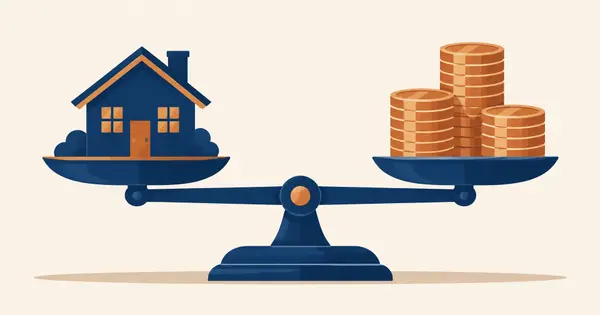
The buyer's lender orders the appraisal. If the value comes in below your contract price, the loan is based on the lower number. The difference is often called the appraisal gap, and the loan won't cover it. The buyer would need to pay it in cash, ask you to adjust, or use the contract to step away if they have the right.
It's frustrating, especially when you've already started planning your next move. Take a breath first. I see these resolved more often than they blow up, though I can't promise how yours will go.
Step 1: Read the appraisal and the contract
Before anyone reacts, two things matter:
- Is there an appraisal contingency? If so, the buyer may be able to renegotiate or cancel, often with earnest money returned, if they act within the deadline.
- Did the buyer waive it or agree to cover a gap? If the contract has gap language, the buyer may be obligated to bring extra cash. The exact wording matters.
Also look for factual errors in the report, like wrong square footage, a missed finished basement or missing upgrades.
Step 2: Ask for a reconsideration of value
If the report missed strong comparable sales or got facts wrong, I can put together a package of recent closed sales that weren't used, plus corrections. It usually goes to the buyer's agent, then the buyer's lender, who decides whether to send it to the appraiser. Sellers and agents generally shouldn't contact the appraiser directly.
A reconsideration doesn't guarantee a change. The appraiser can raise the value, keep it, or explain why the new information doesn't move it. Specific sales with clear reasons tend to work better than general complaints.
Step 3: Weigh your options if the value stands
- Lower the price to the appraised value. Simple, and it keeps the buyer's financing on track, but you lose the full gap.
- Split the difference. You reduce the price a bit and the buyer brings some cash.
- Hold your price. This works if the buyer has the cash and the contract supports it.
- Trade other terms. Sometimes a smaller price move pairs with a different closing date or repair terms.
Any change needs to be in a signed amendment, and the lender has to approve it.
Think about what happens if the deal ends
If the buyer walks, you're back on the market. The low appraisal isn't a public sale, but the next buyer's lender may run into similar comps. That doesn't mean you should always cave. It means compare the dollar gap to the cost of relisting: more carrying costs, more showings and time.
What I'd do
I'd look at the gap in dollars, the days left on the contract, and your goals. If you'd like a second set of eyes on your numbers, see my seller page, my pricing analysis, or contact me. You can also book a 15-minute call. Related reading: what an appraisal gap means for buyers and how to compare offers.
FAQ
Do I have to lower my price if the appraisal is low?
No. You can lower it, split the gap, or ask the buyer to cover it. The buyer may also have the right to cancel, depending on the contract.
Can I contact the appraiser myself?
Usually not. Questions and new information typically go through the buyer's lender.
Can the buyer get a second appraisal?
Sometimes they can ask their lender, but the lender doesn't have to agree.
Can I pay the gap for the buyer?
Loan rules limit how money moves between parties. Ask the buyer's lender what's allowed before offering anything.
Categories
Recent Posts