Can I Sell My House If I Still Owe Money on My Mortgage?

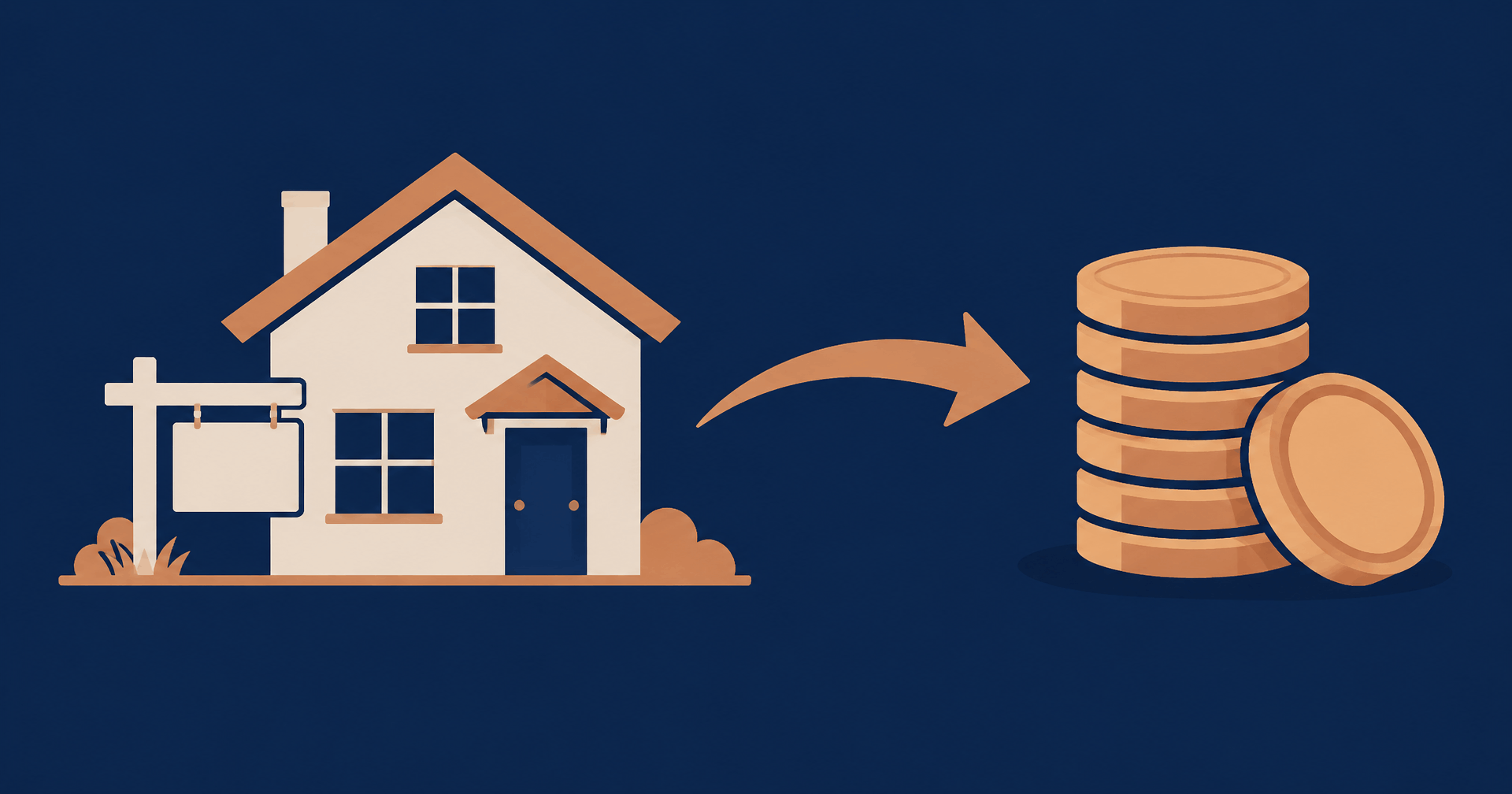
Yes. You don't have to pay off your mortgage before you sell. At closing, the title company or settlement agent uses the buyer's funds to pay off your loan, covers closing costs, and sends you what's left. That leftover amount is your net proceeds.
The real question is whether the sale price covers what you owe plus the costs of selling. Here's how to find out.
How it works, step by step
- Request a payoff estimate. Call your servicer or look in your online account. This is your baseline number.
- List and sell as usual. Keep making your regular payments until closing.
- Under contract, the settlement agent orders the official payoff statement. It's good through a specific date.
- At closing, the payoff is sent to your lender first. Other liens, taxes, commissions, and closing costs follow.
- You receive the rest. Your lender then releases its lien, and any leftover escrow balance comes back to you separately.
Why the payoff is higher than your balance
Your monthly statement balance isn't the same as the payoff amount. According to the Consumer Financial Protection Bureau, the payoff includes interest owed through the day the loan is paid, any fees you've been charged and haven't paid, and a prepayment penalty if your loan has one. Interest accrues daily, so if closing slips a few days, the payoff creeps up. Ask for the per diem figure.
Federal rules say a servicer must send a payoff statement within a reasonable time, and no later than 7 business days after a written request. Don't wait until the last minute to ask.
Check for a prepayment penalty
Most home loans today don't have one, but it's worth a two-minute check. Where they exist, the CFPB says they usually apply only if you pay off the whole loan within a set number of years, often three or five. Look in your note, your closing disclosure, or any addendum to the note, or just ask your servicer.
Other loans on the house
A home equity loan, HELOC, or second mortgage gets its own payoff and is also paid at closing. For a HELOC, ask the lender to close the line so the lien can be released, not just bring it to zero.
A quick example
Illustration only: a $450,000 sale, $300,000 in loan payoffs, and $30,000 in closing costs leaves about $120,000 before any other adjustments. Your numbers will differ, and Maryland transfer and recordation taxes, commissions, and prorations all affect it. I can build you a real net sheet.
What if I owe more than the house is worth?
Then the sale won't cover the payoff. Options may include bringing cash to closing or asking your lender about a short sale. Talk to your lender and a professional early, and don't miss payments, because late fees get added to the payoff.
What I'd do first
Get the payoff estimate, check for a penalty, then run the net numbers with your agent before you decide on a price and a timeline. Start with my seller page or a pricing analysis, then contact me or grab 15 minutes: calendly.com/michaelwaderealtor/15min. Related questions are on the blog.
FAQ
Do I need to pay off my mortgage before listing?
No. It's paid off from the sale proceeds at closing.
Should I stop paying my mortgage after I accept an offer?
No. Keep paying until closing. Missed payments raise the payoff and can add late fees.
When do I get my escrow money back?
After payoff, your servicer returns the balance. Federal rules set a deadline of about 20 business days.
Can the buyer take over my mortgage?
Usually not. Some loans are assumable, and it's a special case. Ask your servicer.
Categories
Recent Posts