What Is an Escrow Account and Why Could My Mortgage Payment Change?

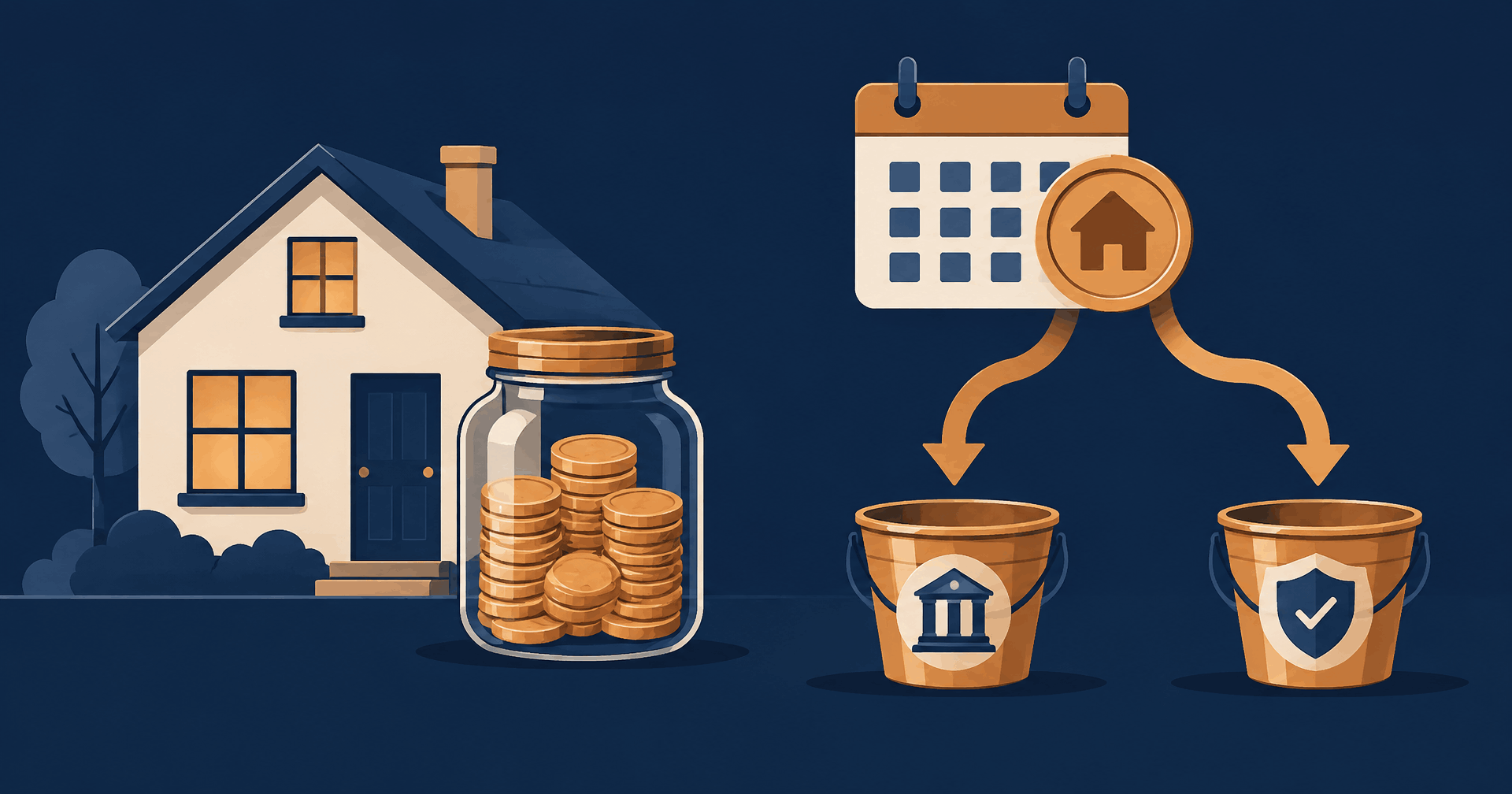
An escrow account is a holding account your lender uses to pay your property taxes and homeowners insurance. A slice of each mortgage payment goes into it. Your payment can change even with a fixed rate, because taxes and insurance change from year to year.
How escrow works
The CFPB describes an escrow account as an account set up by your lender to pay certain property expenses, funded by part of your monthly payment (CFPB). Instead of one big tax bill or insurance bill, you pay a little each month and the servicer pays the bills when they're due.
Your payment is often called PITI:
- Principal and interest on the loan
- Taxes on the property
- Insurance on the home
On a fixed-rate loan, principal and interest stay the same. The taxes and insurance part can move.
Why your payment can change
Once a year, your servicer reviews the account. Under the federal rule that governs escrow (Regulation X), the servicer sends an annual escrow statement that compares what it collected and paid last year with what it expects to pay in the coming year, then resets your monthly escrow amount.
Common reasons the payment goes up:
- Property taxes rose. Assessments and tax rates can change.
- Insurance premiums rose. Many homeowners have seen renewals go up.
- A shortage. If the account didn't collect enough to cover last year's bills, the servicer may ask you to make up the difference.
What an escrow shortage is
A shortage means your balance is below what the servicer needs to pay next year's bills plus a small cushion. The cushion can't be more than one-sixth of the estimated annual bills, which is about two months of escrow payments. Per the regulation, a shortage of one month's escrow payment or more can generally be spread over at least 12 months. A small shortage may be handled differently, so read your statement.
That's why a payment can jump twice: once for the new, higher base amount, and again to repay the shortage for a year.
What a surplus looks like
If the account has too much, a surplus of $50 or more generally has to be refunded within 30 days of the analysis, and your payment may go down. Check your statement for the details.
New buyers: what to expect in year one
Taxes in a new purchase can be reassessed after you buy, depending on the county's process. Ask your lender or agent how the first-year escrow is set up and whether the estimate includes any expected change. I'd budget a little breathing room in your monthly payment rather than aiming for the very top of your approval.
What if I don't have an escrow account?
Some loans allow you to pay taxes and insurance yourself. The CFPB notes that if you don't have escrow, you need to budget for those large bills on your own. Even if your lender doesn't require it, you can ask about escrow to make budgeting easier.
What you can do when the payment goes up
- Read the annual escrow statement line by line.
- Check the tax bill and insurance bill against what the servicer used.
- Shop your homeowners insurance if your premium jumped.
- Ask whether you can pay a shortage in a lump sum or over 12 months.
- If your home's assessment looks wrong, ask your county about the appeal process.
Want to see how taxes and insurance fit into a payment before you buy? Book a 15-minute call or visit my buyer resources. You can also contact me and I'll help you build a realistic monthly number. For more on budgeting, see my post on setting a monthly payment below your pre-approval.
FAQ
Why did my mortgage payment go up with a fixed rate?
Most often, taxes or insurance rose, or your escrow account came up short.
Can I get rid of my escrow account?
Sometimes, depending on your loan and down payment. Ask your servicer. Some lenders require it.
Do I get escrow money back?
A surplus of $50 or more generally gets refunded, per federal rules. If you sell or pay off the loan, the balance is returned.
Who pays the property tax from escrow?
Your servicer, using the money you pay in each month.
Is escrow the same as earnest money?
No. Earnest money is your deposit when you make an offer. Escrow here is the servicer's account for taxes and insurance.
Categories
Recent Posts