Should I Ask the Seller for a Credit or a Lower Price?


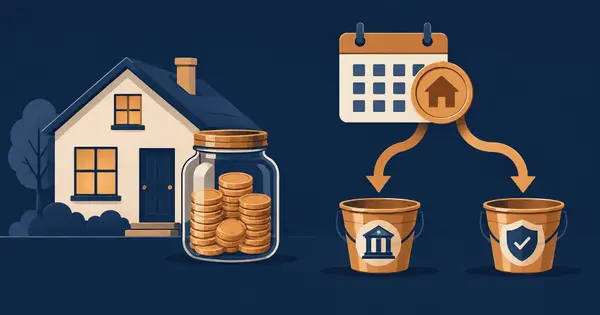
It depends on what you need most. A seller credit lowers the cash you bring to closing. A price reduction lowers your loan amount and monthly payment. If cash is tight, a credit often helps. If you plan to stay a while and want the lowest payment, a lower price usually does more.
How each one works
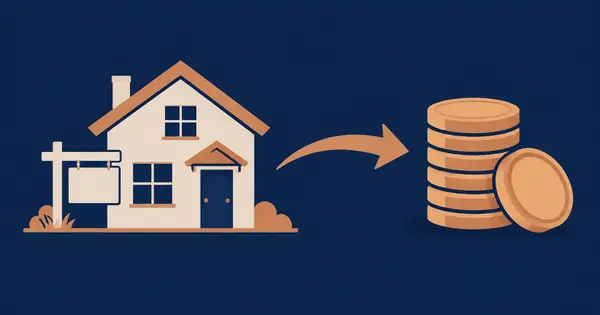
A seller credit, also called a seller concession, is money the seller pays toward your closing costs. The purchase price stays the same. A price reduction lowers the price itself, which lowers your loan, your down payment (if it's a percentage), and your monthly payment. On paper, both cost the seller the same dollar amount.
A simple example
Say the seller agrees to give up $10,000. As a credit, you bring $10,000 less to closing but your loan is the same. As a price cut, your loan is about $10,000 lower, which lowers your payment each month and usually your interest over time. The credit helps you now. The price cut helps you every month.
Loan limits on seller credits
Lenders cap how much a seller can contribute. Based on lender and Fannie Mae summaries I checked:
- Conventional, primary home: 3% of the price with less than 10% down, 6% with 10% to under 25% down, 9% with 25% or more down.
- FHA: 6%.
- USDA: 6%.
- VA: 4% for certain VA-defined concessions, and normal closing costs are handled separately.
A credit also can't exceed your actual closing costs and prepaid items. Credits beyond that can be lost or may need to be restructured. Ask your lender to confirm the limits for your loan, since guidelines change.
Why appraisals matter
Both options have to fit the appraisal. A lower price can make an appraisal gap less likely. A credit doesn't change the price the appraiser is checking. In a market where the price is already near value, a credit may be easier for a seller to accept than a price cut that sets a lower comp. Ask your agent how the seller views each.
When a credit often makes sense
- You're stretching to cover cash to close.
- You want to buy down your rate with the seller's money (ask your lender how a buydown compares).
- The seller doesn't want to lower the recorded price.
When a price cut often makes sense
- You have enough cash and want the lowest monthly payment.
- You'll hold the home a long time.
What the seller may care about
Sellers think about their net. Some prefer a credit because it keeps the sale price higher for the record. Others prefer a clean price cut. Either way, it's the same cost to them, so framing matters. Your agent can ask which structure the seller likes before you write the offer.
What I'd do
Ask your lender to run both versions: one with a credit, one with the same dollar amount as a price cut. Compare your cash to close and your monthly payment side by side. Then pick the one that fits your goals. If you'd like help with that comparison, book a 15-minute call. My buyer resources and contact page have more. You may also like my post on seller concessions.
FAQ
Is a seller credit the same as a price reduction?
No. Same cost to the seller, but different results for you. A credit lowers cash at closing. A price cut lowers your loan.
How much can a seller give me toward closing costs?
It depends on your loan. Conventional is 3%, 6% or 9% based on your down payment. FHA is 6%.
Can I use a seller credit toward my down payment?
Generally not. Credits are meant for closing costs and prepaids. Ask your lender.
Can a credit be bigger than my closing costs?
Not as cash back. Extra credit can be forfeited.
Will asking hurt my offer?
It can in a competitive situation. Your agent can help you judge the market.
Categories
Recent Posts