What Do Home Inspectors Not Look For?

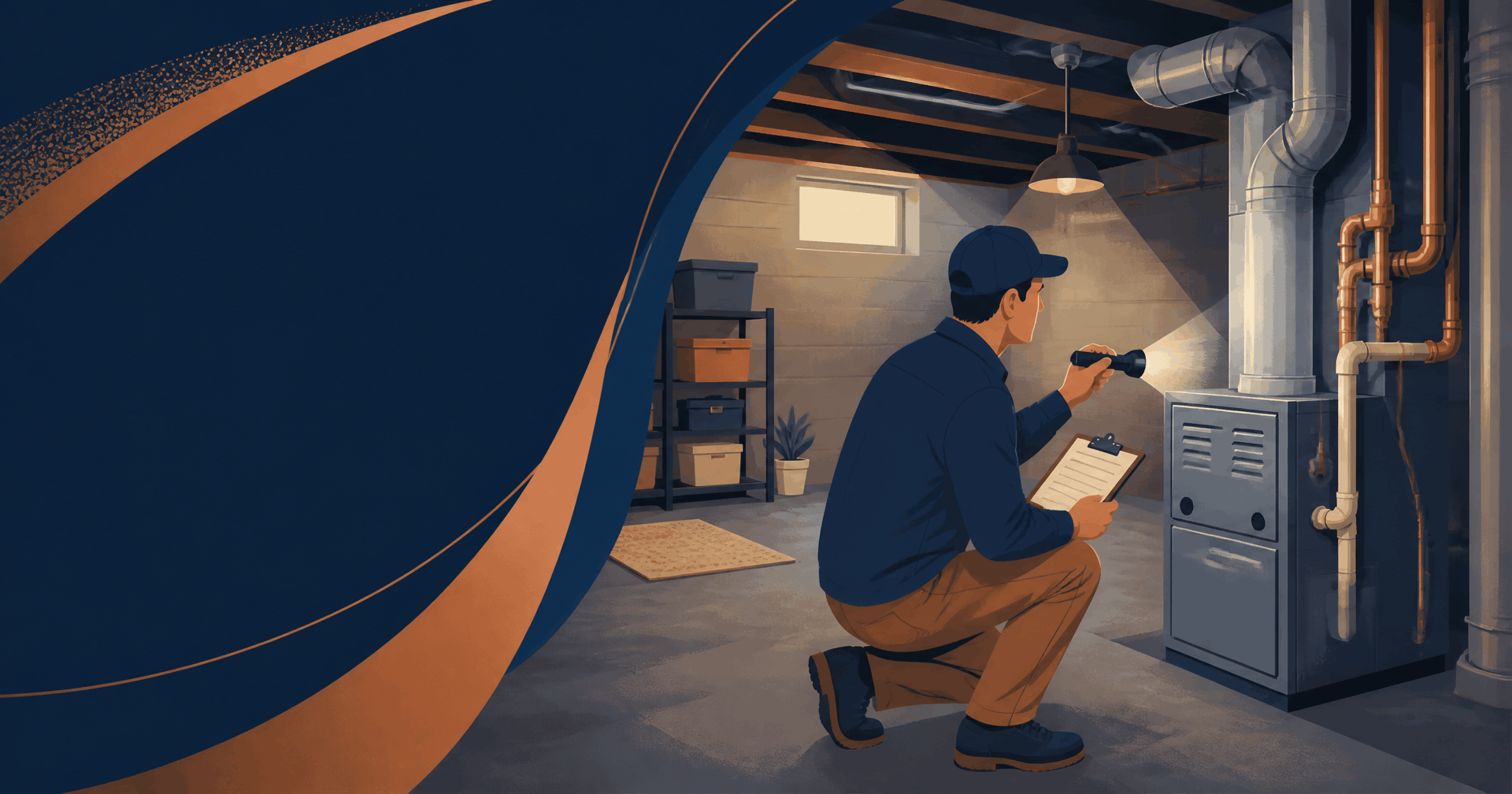
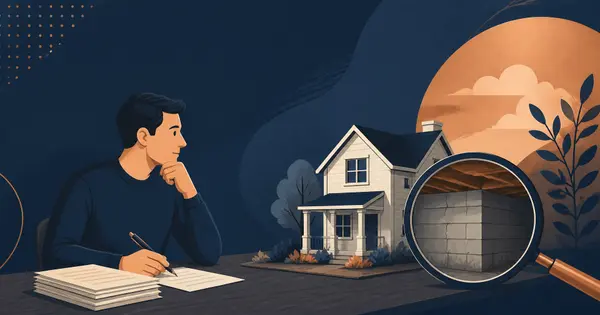
A standard home inspection is a visual check of what's readily accessible. Inspectors generally don't open walls, move belongings, test for environmental hazards, scope underground sewer lines, or predict how long a system will last. Many of those things can be added as separate tests, and knowing which ones to ask for is how you avoid surprises after closing.
What a standard inspection is
The American Society of Home Inspectors describes the inspection as a look at readily accessible, visually observable systems and components. Think roof, exterior, structure, electrical, plumbing, heating and cooling, and the interior. The inspector writes up what's not working properly, looks unsafe, or is near the end of its life. It's not a guarantee, and it's not technically exhaustive. Your inspector's agreement spells out the exact scope, so read it.
What inspectors usually don't cover
- Hidden or blocked areas. Anything behind walls, under flooring, underground, or buried under stored items. If the inspector can't get to it, it should be listed as a limitation in the report.
- Radon, mold, asbestos, and lead. Under the ASHI standard, environmental hazards aren't part of the basic inspection. Testing is usually a separate service.
- Wood-destroying insects. In Maryland, a separate pest inspection is common. It focuses on wood-destroying insects, not every pest.
- Sewer lines. Underground lines aren't visible. A sewer scope sends a camera through the line, which is what I'd ask about in an older home.
- Septic systems and wells. These typically need their own specialists.
- Pools, spas, and irrigation. Often excluded or limited.
- Engineering opinions. If the inspector spots a structural concern, they'll usually recommend a structural engineer.
- Code compliance and permits. Inspectors report condition, not whether past work was permitted.
- Repair costs and remaining life. They're not required to price repairs or say exactly how long a system will last.
- Whether you should buy. That's your call.
Which add-ons are worth considering
It depends on the house. Based on what I'm seeing locally, these come up most:
- Sewer scope for older homes or homes with mature trees.
- Radon test, since it's a separate test and can be done within the inspection window.
- Wood-destroying insect inspection.
- Mold or moisture evaluation if there are stains, odors, or a damp basement.
- Structural engineer if the report shows cracks, bowing, or sagging.
- Septic or well testing for properties that have them.
- Specialist HVAC or chimney inspection if the system looks old or the report raises questions.
How to get the most from your inspection
- Attend it. Walking through with the inspector teaches you more than the report does.
- Ask what couldn't be inspected and why.
- Ask which items need a specialist.
- Order add-ons early. Your inspection period is short, so book them at the same time.
- Read the seller's disclosure alongside the report. Sellers must disclose latent defects they actually know about.
The client always chooses their own inspector. I'm happy to share names I've seen do good work, but the decision is yours.
FAQ
Does a home inspection include mold testing?
Usually not. Inspectors note visible signs, but sampling or testing is typically a separate service.
Is radon part of a standard inspection?
Typically no. It's a separate test that you can usually add.
Will an inspector tell me what repairs will cost?
Most aren't required to. Get quotes from licensed contractors for anything significant.
What if something was hidden and I find it after closing?
That's a hard spot to be in, which is why add-on tests and the seller's disclosure matter. Ask a real estate attorney about your options.
Next step
Buying in Maryland or DC and want a second set of eyes on the details? Check my buyer resources or reach out here. Want to talk it through? Grab a free 15-minute call at calendly.com/michaelwaderealtor/15min. No pressure.
Recent Posts