Why You Should Consider a Home Warranty During Winter Months: Protecting Your HVAC System
Why You Should Consider a Home Warranty During Winter Months: Protecting Your HVAC System
Introduction
Winter is the most critical time for your home's heating system, yet it's also the season when many homeowners face a unique challenge: incomplete home inspections. If you're purchasing a home or refinancing your current property, understanding the limitations of winter inspections—and how to protect yourself—is essential. Let's talk about why a home warranty might be worth considering, especially when it comes to your HVAC system.
The HVAC Inspection Challenge in Winter
Why Winter Makes HVAC Inspection Difficult
One of the most significant obstacles to purchasing a home in winter is the inability to inspect your HVAC system's air conditioning components properly. Here's what you need to know:
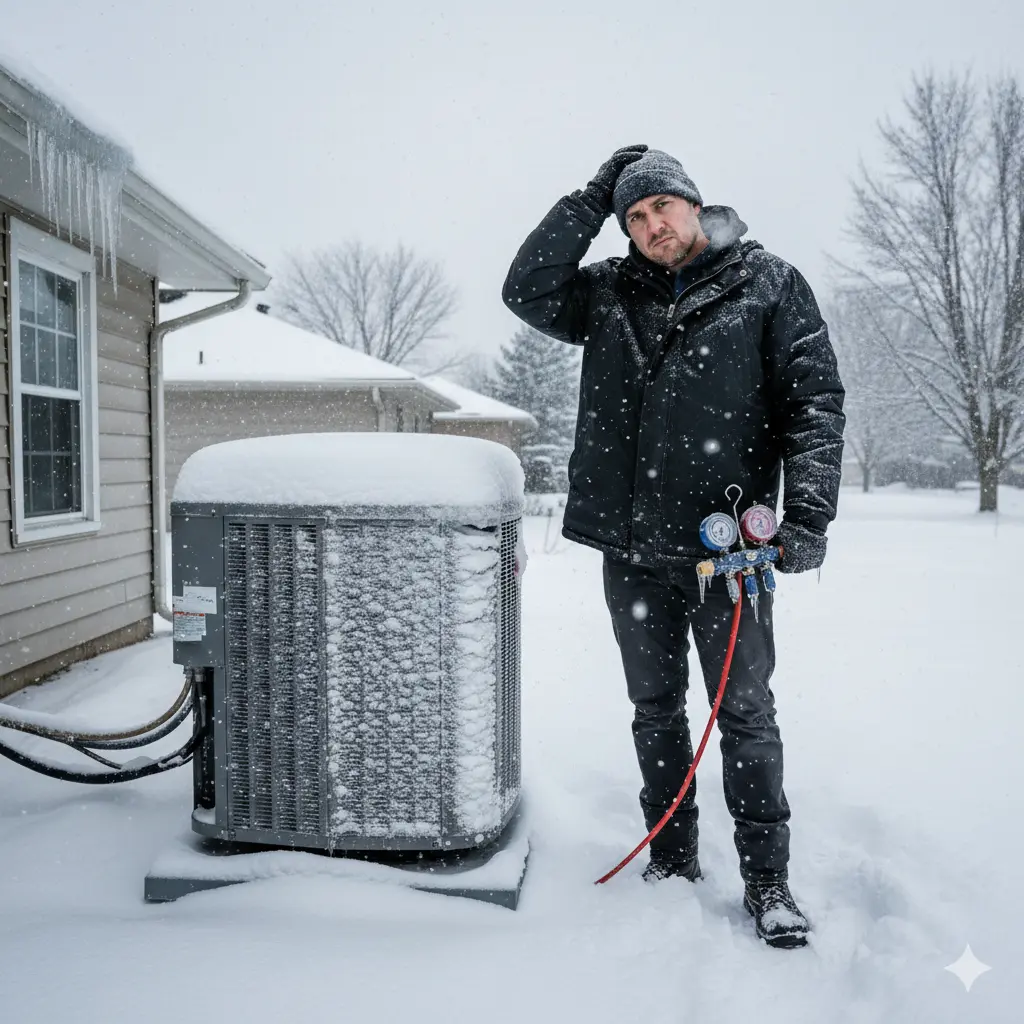
• AC Unit Testing Impossible: During freezing temperatures, air conditioning systems cannot be safely tested. Running an AC unit in sub-zero weather can cause severe damage to the compressor and other critical components.
• Hidden Problems: Without a complete HVAC inspection, potential issues with your cooling system remain hidden until spring arrives—when problems may surface unexpectedly.
• Incomplete Assessment: A thorough HVAC inspection requires testing both heating and cooling capabilities, which is impossible during winter months.
The Risk You're Taking
When you purchase a home in winter without a complete HVAC inspection, you're essentially buying without full knowledge of your air conditioning system's condition. That seemingly well-functioning furnace might be paired with a failing AC unit that you won't discover until you need it most—during the summer months.
How to Protect Yourself
Understanding Your Options
When facing this inspection gap, here are some practical steps you can take:
1. Request HVAC Documentation
• Ask the seller for maintenance records and service history
• Request receipts for any recent repairs or replacements
• Inquire about the age and condition of both furnace and AC unit
2. Get a Pre-Purchase HVAC Inspection
• Hire a licensed HVAC technician to inspect the system thoroughly
• They can assess the heating system now and evaluate the AC unit's condition without running it
• This gives you valuable information about potential issues
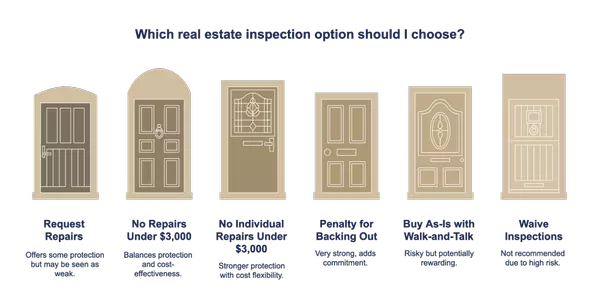
3. Negotiate Inspection Contingencies
• Include HVAC inspection contingencies in your offer
• Request the ability to have a spring AC inspection before closing
• Consider requesting seller credits for known HVAC issues
4. Consider a Home Warranty
• Many buyers find home warranties valuable for covering unexpected repairs
• A warranty can provide financial protection if issues emerge after purchase
• This is particularly useful when you can't thoroughly inspect systems before closing
The Winter Purchase Advantage
Why Addressing This Now Makes Sense
Be Proactive
• Don't wait until summer to discover AC problems
• Take steps now to understand your system's condition
• Address any concerns before they become emergencies
Budget Planning
• Understanding potential HVAC issues helps with your overall budget
• You can factor in potential repairs or replacements
• Avoid surprise expenses down the road
Spring Readiness
• Once warm weather arrives and you can test your AC, you'll know exactly what you're working with
• If problems exist, you'll have time to plan repairs rather than face emergencies during peak season
Questions to Ask Your HVAC Professional
When you hire someone to evaluate your system, consider asking:
• How old is the current HVAC system?
• What is the expected remaining lifespan?
• Are there any visible signs of wear or damage?
• What maintenance schedule is recommended?
• What would a replacement cost if needed in the near future?
• Are there any efficiency upgrades worth considering?
Real-World Scenario
Consider this: You purchase a home in January. The inspector can test the furnace, but not the AC unit due to freezing temperatures. You move forward with the purchase.
Fast forward to June. Your AC stops working. A technician discovers the compressor failed—likely a pre-existing condition you couldn't have known about. You're now facing a $5,000-$7,000 replacement bill unexpectedly.
Had you taken steps to evaluate the system beforehand—through documentation review, professional inspection, or warranty coverage—you would have had options and time to plan.
The Bottom Line
Winter is the perfect time to address the HVAC inspection gap, not avoid it. The inability to fully inspect your cooling system during cold months creates a genuine blind spot—one that smart buyers address proactively.
Don't let winter inspection limitations catch you off guard. Take action now: review maintenance records, consider a professional HVAC evaluation, and explore your protection options. Whether that's negotiating contingencies, requesting seller credits, or considering a warranty, being informed and prepared is your best defense.
Questions?
If you have concerns about the HVAC system in your potential new home, I'm happy to discuss your options and help you navigate this process. Let's make sure you're making an informed decision about one of your home's most important systems.
Recent Posts